

In-Law Suites, Guest Houses & Garage Conversions -- South Florida REMODELING EXPERTS
Add a Second Home to the Property You Already Own.
Avani designs and builds ADUs across South Florida -- detached guest houses, attached in-law suites, and garage conversions -- fully permitted, fully finished, and built to feel like a permanent part of the property. An experienced remodeling team. Every trade managed. No surprises.
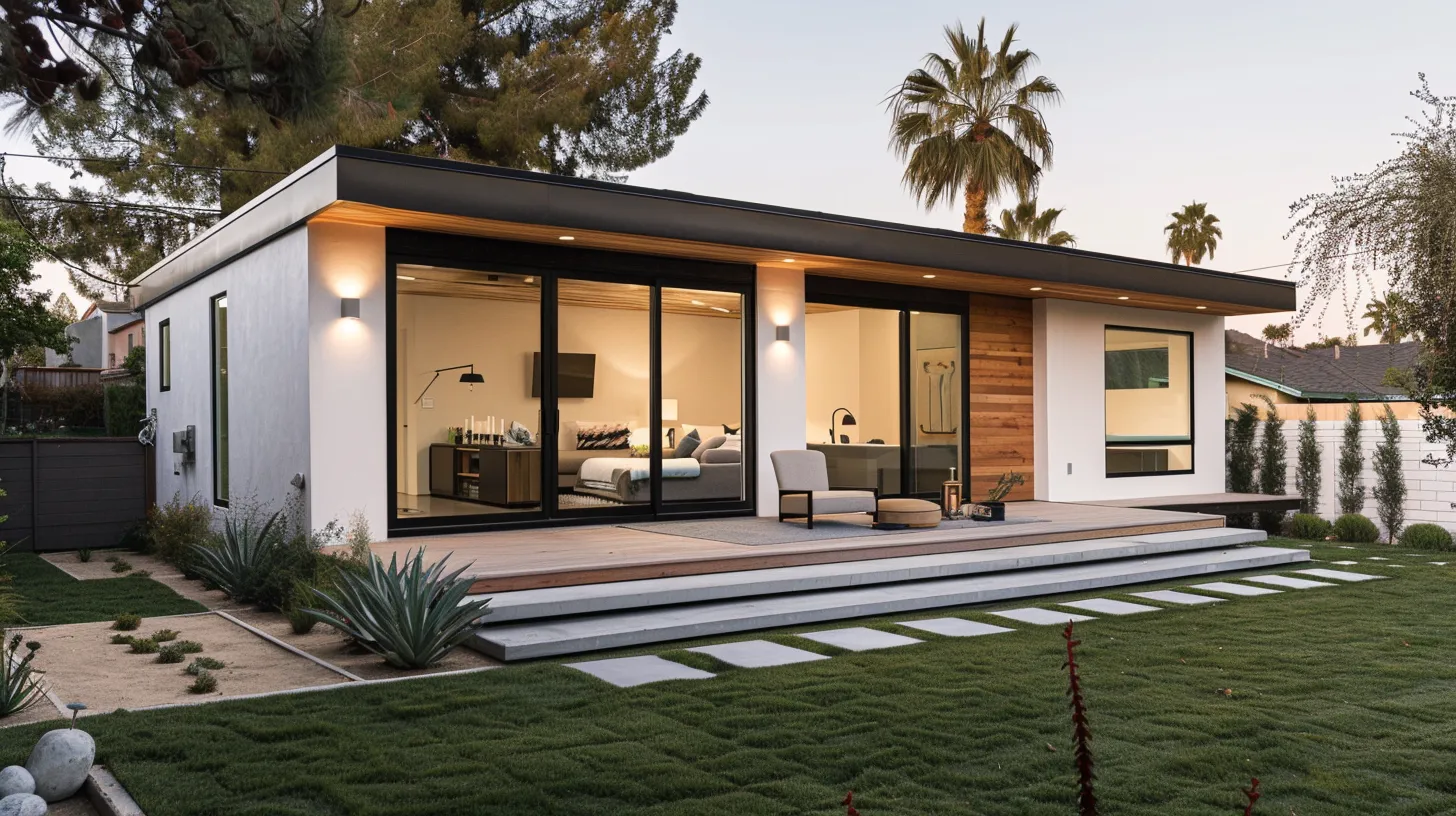
The Most Versatile Investment You Can Make in Your Property
South Florida's premium neighborhoods are full of homeowners managing a challenge that doesn't get talked about enough: how to keep aging parents close without losing independence on either side. An ADU -- whether a detached guest house, an attached suite, or a converted garage with a private entrance -- solves that problem permanently. Parents are close. Privacy is maintained. The arrangement doesn't require anyone to move, sell, or compromise on location. And when the circumstances eventually change, the ADU serves a different purpose.
South Florida's rental market is among the strongest in the country. A finished, permitted ADU on a premium property in Boca Raton, Fort Lauderdale, or Coral Gables commands meaningful monthly rental income -- and because it is a legal, permitted structure, it can be listed on short-term rental platforms and covered by standard landlord insurance. Homeowners who build an ADU for one purpose frequently find that it pays for itself faster than they expected when circumstances shift and the unit becomes available.
A permitted ADU adds legal square footage and a legally recognized secondary dwelling to your property record. In South Florida's real estate market, that translates directly to increased appraised value -- often significantly. Unlike an unpermitted conversion that creates a liability at resale, a permitted ADU is a documented asset that shows on the property record, counts toward total square footage, and is factored into the appraised value of the home. It is one of the few home improvements that adds value roughly dollar for dollar with construction cost.
"An ADU is the only home improvement that gives you a guest room, a rental property, and a higher appraised value - all on a lot you already own."
Five ADU Configurations - From Conversion to New Construction
ADUs take different forms depending on the property, the lot, the existing structures, and the homeowner's goal. Here are the five configurations we build most frequently across South Florida:
Detached Guest House
A fully independent structure on your lot.
A detached guest house is a new structure built separately from the main home -- its own foundation, framing, roofline, and all mechanical systems. It functions as a completely self-contained dwelling: bedroom or studio layout, full kitchen or kitchenette, full bathroom, living area, private entrance, and private outdoor space. It shares the lot but shares nothing else -- no walls, no entrance, no utilities in common unless the homeowner chooses to share them. A detached guest house is the most expensive ADU configuration and the most desirable -- it delivers complete independence for the occupant and the highest added value to the property.
Best for: Homeowners with adequate lot size for a new structure, who want the maximum privacy separation between the main home and the ADU, or who are building for rental income and want a fully independent unit
Typical investment: $120,000 -- $250,000+ depending on size, finish level, and whether utilities are shared or independent
Attached In-Law Suite
Connected to the home. Private by design.
An attached in-law suite adds a self-contained living unit to the main home -- sharing a wall with the primary residence but with its own entrance, living area, kitchenette, full bathroom, and bedroom. It is the most practical configuration for multigenerational living because it keeps family close while maintaining genuine independence: separate entry, separate living spaces, and the option to share utilities while keeping daily life separate. An attached suite is typically less expensive than a detached guest house because it shares the main home's foundation and can share mechanical systems.
Best for: Homeowners who want aging parents or adult children on the property with true independence -- separate entrance, separate living -- but who want the option to check in easily
Typical investment: $80,000 -- $160,000 depending on size, finish level, and the complexity of connecting to the existing structure
Garage Conversion ADU
The most cost-effective path to added square footage.
Converting a single-car or two-car garage into a finished living unit is the most cost-effective ADU path for homeowners who already have the structure. The existing foundation, walls, and roof stay -- the work involves insulation, HVAC installation, plumbing rough-in for a bathroom and kitchenette, electrical upgrade, drywall, flooring, windows or door additions, and full interior finish to bring the space to legal living standards. A garage conversion done well reads as a finished living space, not a converted garage. The ceiling height, window placement, and finish quality make the difference.
Best for: Homeowners with a garage they are not actively using who want to add a living unit without building new construction
Typical investment: $60,000 -- $110,000 depending on size, whether a bathroom is added, and finish level
Above-Garage ADU
Add a full living unit above an existing structure.
An above-garage ADU adds a second story over an existing detached garage -- creating a full living unit above a functional parking space. This configuration requires structural engineering to assess whether the existing garage foundation and framing can support the additional load, and typically involves reinforcing the existing structure before adding the upper level. The result is a fully independent living unit with its own entrance, bathroom, bedroom, and living space -- while the garage remains functional below.
Best for: Homeowners with a detached garage who want to add an independent living unit without sacrificing parking or taking up additional yard space
Typical investment: $100,000 -- $180,000 depending on structural requirements, size, and finish level
Interior Conversion ADU
Transform existing interior space into a legal dwelling.
Some South Florida homes have underutilized interior square footage -- a large bonus room, a detached rear section of the home, or an oversized storage area -- that can be converted into a legal ADU without adding new square footage. This requires adding a private entrance (typically through an exterior wall), a full bathroom, a kitchenette or kitchen, and ensuring the space meets Florida's minimum habitable area and egress requirements. Interior conversions are often the fastest path to a legal ADU when the square footage already exists.
Best for: Homeowners with a large bonus room, rear studio space, or detached section of the home that can be separated with a private entrance
Typical investment: $50,000 -- $100,000 depending on the work required to meet habitable space standards and add kitchen and bath
What Separates a Legal ADU from a Converted Space
Florida has specific requirements for what qualifies as a legal ADU -- a permitted, habitable secondary dwelling unit on a residential property. An unpermitted conversion may look like an ADU, but it is not legally recognized, cannot be listed on rental platforms with insurance coverage, cannot be counted in the property's square footage, and becomes a serious liability at resale. Here is what a permitted ADU requires:
Minimum Habitable Area & Egress
Florida building code defines minimum standards for a habitable living unit: minimum square footage, minimum ceiling height (typically 7 feet in habitable areas), required natural light and ventilation, and at least one emergency egress window or door in each sleeping area. Every ADU we build meets or exceeds these minimums -- not because it is a code compliance exercise, but because meeting these standards is what makes a space feel like a home rather than a converted storage room.
Minimum Habitable Area & Egress
A legal ADU must have its own functional kitchen or kitchenette, full bathroom with toilet, sink, and shower or tub, and independent climate control -- or documented shared systems that are properly permitted. We design the mechanical separation at the planning phase: whether the ADU gets its own electrical sub-panel and HVAC unit, or whether systems are shared and documented in the permit drawings. The goal is a unit that functions independently, not one that is dependent on the main home for basic utilities.
Private Entrance -- Separate from Main Home Entry
A legal ADU must have its own private entrance that does not pass through the main home's living space. For attached in-law suites, this typically means a new exterior door cut into the side or rear of the home. For garage conversions, it means creating a residential entrance -- a proper door with exterior lighting, weather protection, and the visual language of a front entry -- rather than leaving the garage door as the primary access point. We design the entrance as part of the architecture of the unit, not as an afterthought.
Zoning Compliance and Setback Requirements
Not every South Florida property can accommodate an ADU in every configuration. Local zoning determines whether detached ADUs are permitted, what the minimum lot size requirement is, what setbacks apply to new structures, and what the maximum ADU square footage is relative to the main home. We review the zoning for your specific property at the consultation and confirm what is permittable before any design work begins. There is no point in designing an ADU that cannot be permitted on your lot.
Three Reasons South Florida Homeowners Build ADUs
FAMILY & AGING PARENTS
Multigenerational Living
Parents get their own front door, their own kitchen, and their own independence. You get peace of mind. Nobody gives up their life to make it work. An in-law suite or detached guest house makes this arrangement permanent, comfortable, and dignified for everyone involved -- and when circumstances eventually change, the unit simply serves a different purpose.
LONG-TERM OR SHORT-TERM
Rental Income
A permitted ADU on a premium South Florida property generates real monthly income. Long-term tenants provide steady cash flow. Short-term rentals on legal, insured platforms can generate even more in South Florida's tourist and seasonal market. Either way, the ADU pays down its construction cost and continues generating value long after.
PRIVATE, DEDICATED, SEPARATE
Home Office or Flex Space
A detached studio or converted garage that is fully finished, climate-controlled, and soundproofed from the main home is the home office that actually works. No Zoom calls interrupted by kids in the background. No commute. A space that is designed to be a professional environment -- not a desk in the corner of a bedroom.
Everything Avani Manages in an ADU Build
ADU scope varies significantly depending on whether we are building new construction or converting an existing space. Both paths are full construction projects requiring trade coordination, permits, and inspections across every phase.
New Construction ADU
Detached guest house / above-garage addition
Structural engineering: foundation design, framing specification
Foundation: slab, stem wall, or pier as required by soil conditions
Framing: walls, floor system (for above-garage), roofline
Exterior sheathing, weather barrier, roofing
Impact windows and exterior doors (Florida code)
Exterior stucco finish matched to main home
Electrical service: sub-panel, all circuits, outlets, lighting
Plumbing: supply lines, drain lines, water heater
HVAC: dedicated mini-split or ducted system
Insulation: walls and roof deck to current energy code
Drywall, finish, paint
Flooring throughout
Kitchen or kitchenette: cabinetry, countertop, appliances
Bathroom: tile, vanity, fixtures, glassTrim and interior doors
Conversion ADU
Garage / interior / attached in-law suite
Structural assessment of existing foundation and framing
Demolition of garage door and framing of new wall and residential entrance
Insulation: walls and ceiling/roof deck
HVAC: mini-split installation with dedicated circuit
Electrical upgrade: sub-panel or circuit additions, all outlets and lighting
Plumbing rough-in: bathroom supply and drain, kitchenette supply and drain
Drywall and finish work
Flooring: tile, LVP, or hardwood to match desired finish level
Bathroom: full tile, vanity, toilet, shower or tub, glass
Kitchenette: cabinetry, countertop, compact appliances, sink
Windows: new or enlarged openings to meet egress and natural light requirements
Private entrance: new exterior door, overhead protection, exterior lighting
Trim, interior doors, paint throughout
Disconnect garage door opener, patch and finish exterior opening
Permitting: electrical, plumbing, mechanical, building final
What Your Investment Gets You -- By ADU Type
Our budget-flexible approach means we tailor the finish level of every ADU to what you want to invest. Here is how finish tier affects each ADU type -- so you know exactly what your budget delivers before the first conversation:
BUDGET NOTE:
"Tell us your investment level and your intended use for the ADU -- rental, family, or flex space -- and we'll design the configuration and finish tier that delivers the most value for your budget."
From Property Assessment to Move-In Day -- How It Works
We visit your property, assess the lot size, existing structures, and utilities, and confirm what ADU configurations are permittable under your specific zoning designation. Not every property can accommodate every ADU type -- we establish what is possible before any design work begins. You leave the consultation with a clear picture of your options, realistic investment ranges, and a recommended path forward.
We develop the ADU design and coordinate with a licensed structural engineer for foundation and framing specifications on new construction, or structural assessment of existing structures for conversion projects. Permit drawings are prepared at this phase. For new construction ADUs, this phase typically runs 4-6 weeks.
We submit the permit application to your local building department, including all structural engineering drawings, site plan, and mechanical plans. ADU permits typically take 3-6 weeks to approve in South Florida jurisdictions. We manage the review process and respond to any reviewer comments.
ADUs often require coordination with the utility companies to establish separate meters or document shared service. We manage this coordination in parallel with permitting -- electrical and water utility approvals can have their own lead times and we work them simultaneously to minimize total project timeline.
Foundation and framing (new construction), structural work (conversions), MEP rough-in, inspections at each phase, exterior finish, insulation, drywall, interior finishes, kitchen and bath buildout, private entrance, and final details -- all sequenced under a single project manager with regular client updates throughout.
Final inspection with the building department, certificate of completion issued, final walkthrough with punch list resolution. Your ADU is legal, documented, and ready for occupancy.
TIMELINE NOTE:
"Total timeline from first consultation to certificate of completion typically runs 6-10 months for a detached ADU and 4-7 months for a garage conversion. Permitting and zoning review are the primary variables -- we manage them actively and keep you informed throughout."
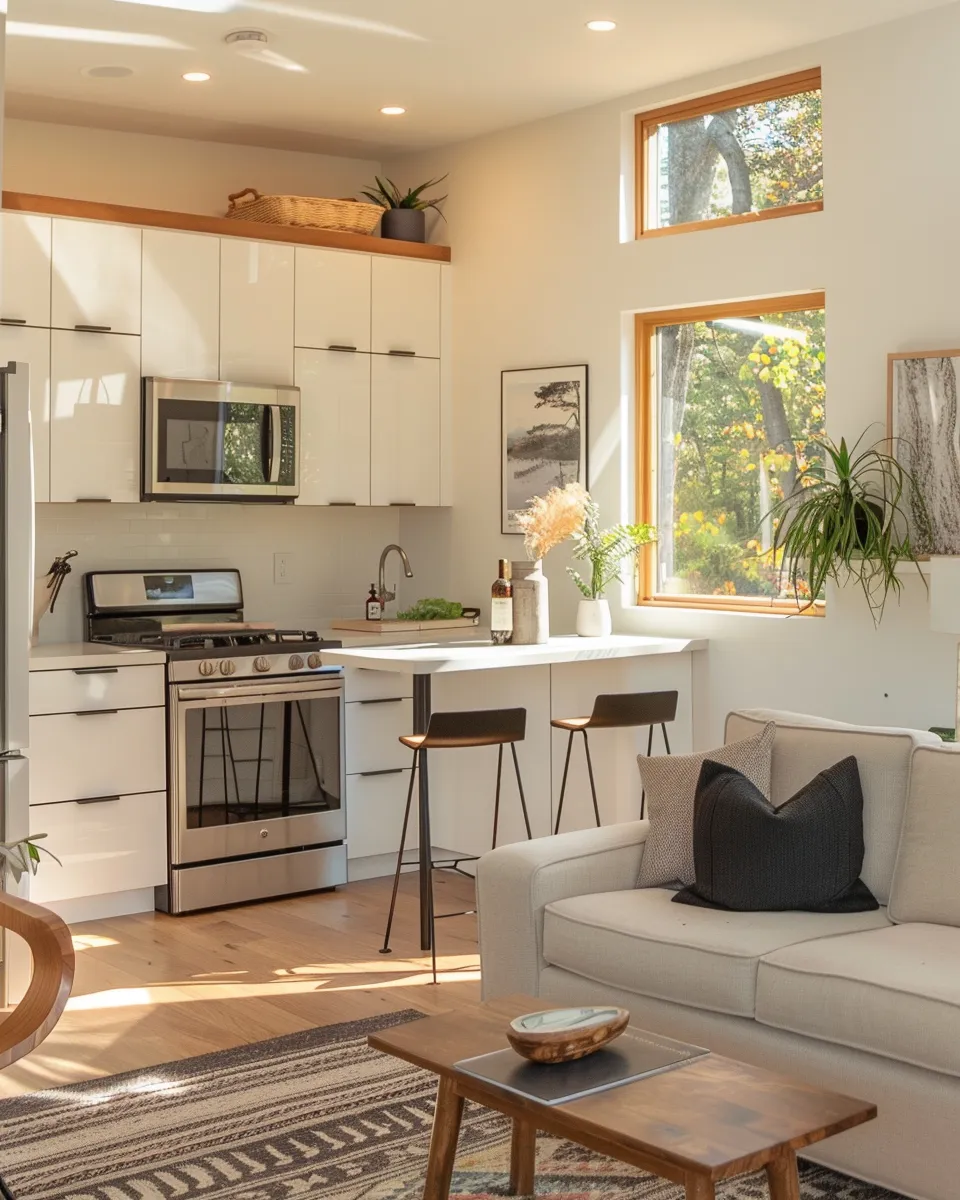
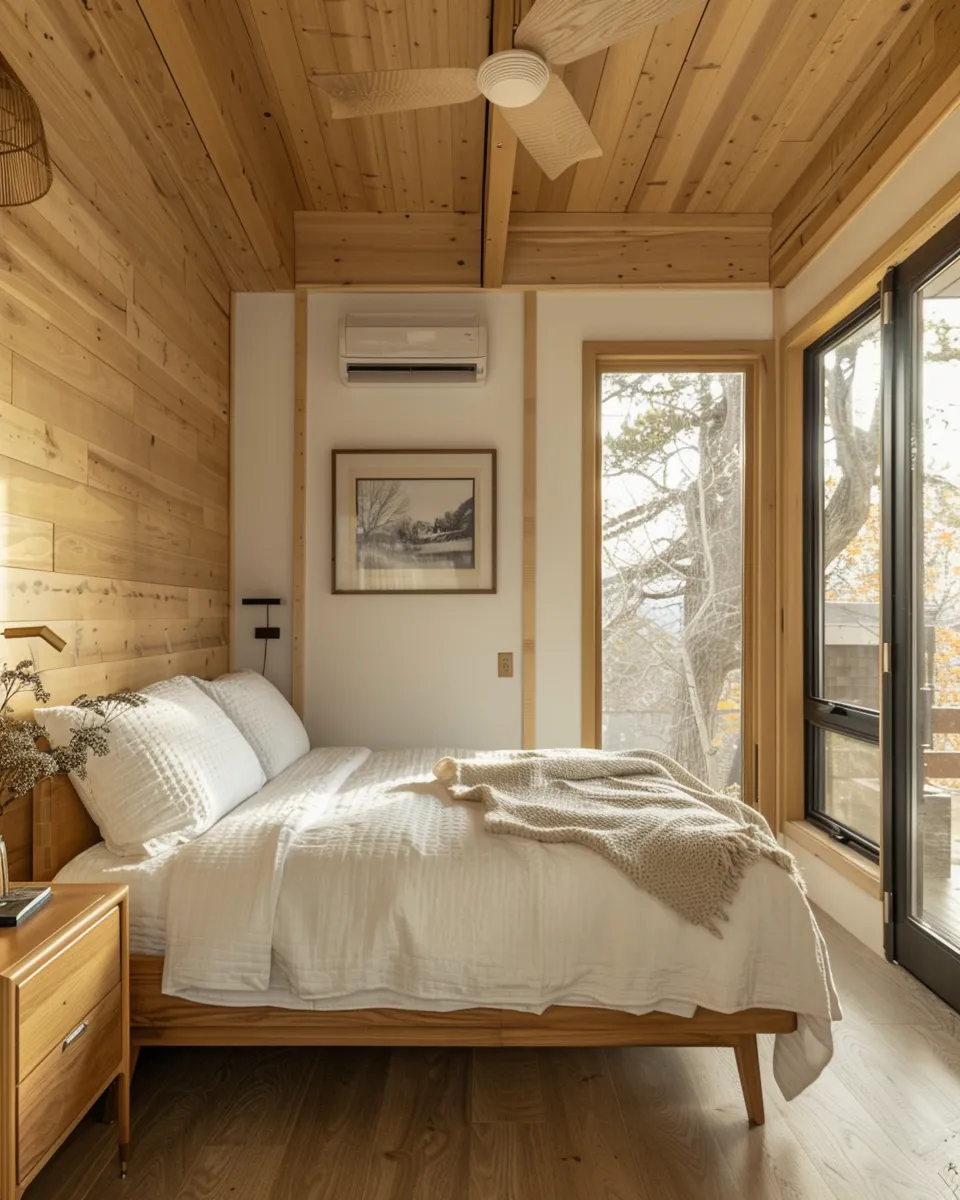
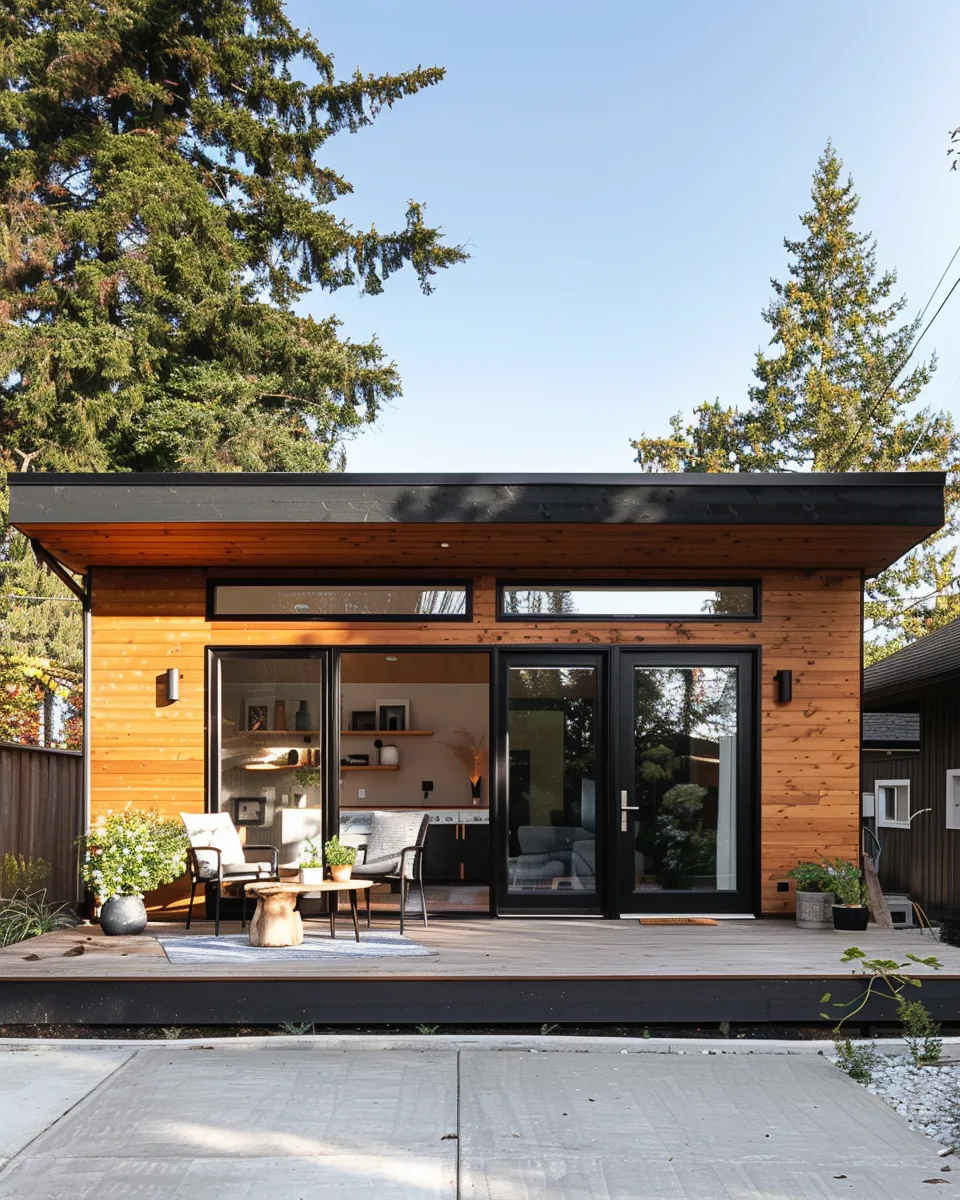
ADUs We've Built Across South Florida
ADU Questions — Answered
ADU costs in South Florida range from $50,000-$100,000 for a garage conversion or interior conversion to $120,000-$250,000+ for a new detached guest house. Attached in-law suites typically run $80,000-$160,000. The main cost variables are whether you are converting existing space or building new construction, the size of the unit, the finish level, and whether new utility connections are required. Our budget-flexible approach means we can design an ADU that delivers strong value at whatever investment level makes sense for your situation.
Yes, ADUs are legal in most South Florida municipalities -- and yes, they absolutely require a permit. Florida and most local jurisdictions have become increasingly ADU-friendly in recent years, recognizing the role ADUs play in addressing housing demand. However, specific rules on detached ADU size limits, setbacks, minimum lot size, and owner-occupancy requirements vary by municipality. We review the zoning for your specific property at the consultation and confirm exactly what is permittable before any design work begins. Unpermitted ADU conversions create significant liability at resale.
A finished, permitted ADU on a premium South Florida property can generate $1,500-$3,500+ per month for long-term rentals and potentially more for short-term rentals in high-demand areas. Actual income depends on location, size, finish level, and whether the unit is listed long-term or short-term. An ADU in Boca Raton, Fort Lauderdale, or Coral Gables in a premium neighborhood commands meaningfully higher rent than the same unit in a less desirable area. We can walk through realistic rental income scenarios for your specific property at the consultation.
Total timeline from first consultation to certificate of completion typically runs 6-10 months for a new detached ADU and 4-7 months for a garage conversion or interior conversion. The permit phase is the primary variable -- zoning review and plan approval for ADUs typically takes 4-8 weeks in South Florida jurisdictions. Construction runs 3-5 months for a conversion and 4-7 months for new construction. We communicate proactively throughout the process and manage the permit timeline actively.
Yes -- a permitted ADU adds legal square footage and a recognized secondary dwelling to your property record, which typically increases the assessed value of the property. In Florida's homestead exemption context, rental income from an ADU on your primary residence may also have tax implications. We recommend consulting with a Florida real estate attorney or CPA regarding the specific tax impact for your situation -- this is not an area where we provide advice, but it is an important consideration in the total investment calculation. What we can say clearly: the property value increase from a permitted ADU typically outweighs the tax impact significantly.
In most cases, no -- an ADU on a residential lot is legally part of the primary property and cannot be sold as a separate parcel. The exception is if the lot is subdivided, which is a separate legal and land use process. What an ADU does add is appraised value to the property as a whole -- a property with a permitted, finished ADU appraises and sells at a premium to the same property without one, reflecting the additional square footage, functionality, and income potential.
It depends on the specific zoning and lot dimensions. Most South Florida municipalities that allow ADUs have minimum lot size requirements -- typically somewhere between 6,000 and 10,000 square feet for a detached ADU, with setback requirements that determine how close the structure can be to property lines. Many standard South Florida residential lots can accommodate a garage conversion, an interior conversion, or an attached in-law suite even if a new detached structure is not feasible. We assess your specific lot at the consultation and tell you honestly what is permittable.
What Our Luxury Kitchen
Clients Say
ADU Projects Across South Florida's Finest Communities
Avani designs and builds ADUs throughout South Florida from West Palm Beach to Homestead. We review zoning, pull permits, coordinate every trade, and deliver a finished, legal secondary dwelling unit that adds permanent value to your property. Serving Boca Raton, Fort Lauderdale, Miami, Coral Gables, Weston, Parkland, and every premium community in the South Florida corridor.
Let's Find Out What Your Property Can Accommodate
If you've been thinking about an ADU -- whether for family, for rental income, or for the flexibility of having a second space on your property -- the first step is a property assessment. We'll visit your home, look at the lot and existing structures, confirm what your zoning allows, and give you a clear, honest picture of your options and what each one costs. No obligation. No pressure. Just a conversation about what your property can do.